

Never Miss an Update
Add islifearecipe.net as a Preferred Source on Google to see more of our content in AI Mode and AI Overviews.
➕ Add to Preferred Sources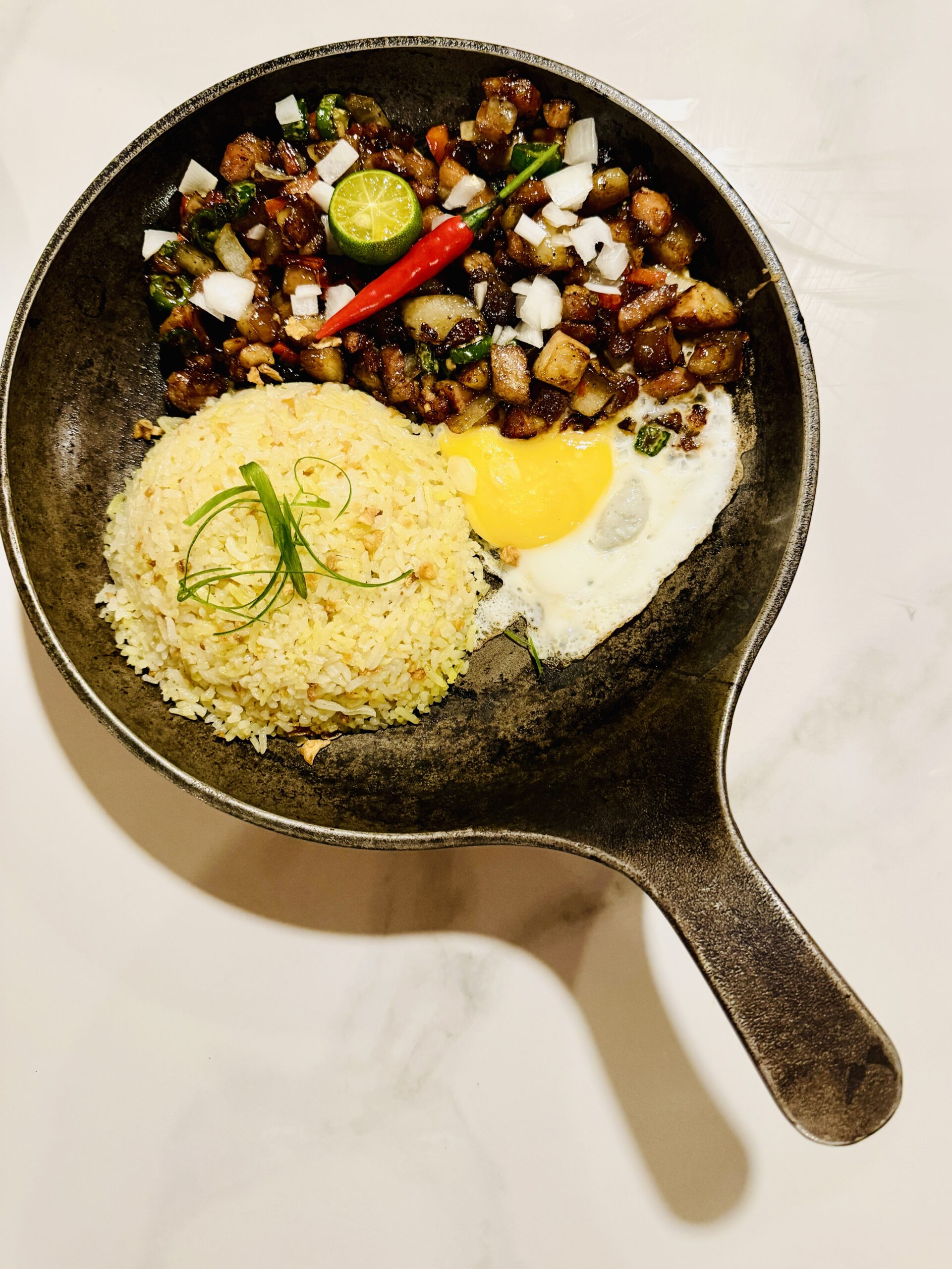
Sisig Good Enough for the Kapre
If there is one dish in the Philippines that can instantly turn a quiet dinner into a full-blown celebration, it’s sisig.
Order a sizzling plate of this chopped pork masterpiece and suddenly everyone at the table is leaning forward with spoons ready. The sound alone is enough to wake up the appetite. That familiar sssssssss from a hot metal plate hits the ears as the server walks across the restaurant, smoke wafting from the dish, and you know something glorious is about to happen.
For those new to Filipino food, sisig is a chopped pork dish served sizzling hot, traditionally seasoned with calamansi, onions, and chilli. It often arrives on a cast-iron plate with an egg on top that cooks gently from the heat. Mix everything together and the magic begins.
In the Philippines, sisig is considered one of the greatest comfort dishes ever created. Some even call it the best Filipino bar food. After trying it a few times, you’ll understand why. This is my all-time favourite Filipino food, and I am so happy that it is in my life the past twenty years or so. 🤤
Read our original Sisig Review, including examples of where we have eaten it: https://islifearecipe.net/sisig-the-multi-personality-filipino-dish/
Where Sisig Comes From 🇵🇭
The story of sisig begins in Pampanga, the region north of Manila that many Filipinos proudly call the country’s food capital. The dish is widely credited to Lucia Cunanan, affectionately known as “Aling Lucing,” who ran a small roadside eatery in Angeles City in the 1970s.
Her original recipe used chopped pork parts grilled over charcoal, mixed with onions, calamansi juice, and spices. The result was smoky, tangy, rich, and addictive. Over time the dish evolved, and the famous sizzling sisig version appeared, served on a hot plate that keeps everything crackling until the last bite.
The history, I believe, goes back to days of scarce food and the Americans post-war eating the ‘nice’ bits of the pig, leaving the discarded parts such as the pigs head to the locals. Filipinos being the creative bunch they are realised the pig head meat is totally delicious, and really funky with textures – so with a waste not want not attitude took this piece of meat and in turn made this iconic dish.
Today, Pampanga still proudly claims the title of home of the best sisig in the Philippines. But let’s be honest — you can now find excellent sisig in almost every corner of the country, and even overseas now as Filipinos globally clamour for their most favourite of home-foods.
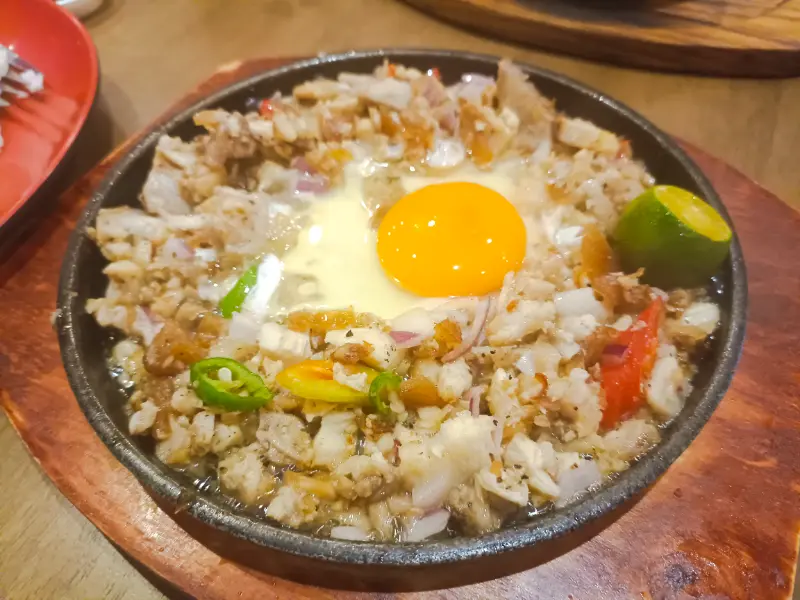
What Exactly Is Sisig?
At its heart, traditional pork sisig is built from simple ingredients:
- chopped grilled pork – from the face of the pig
- onions
- calamansi (Filipino lime)
- chilli
- seasoning
- sometimes egg or mayonnaise
- sometimes with liver or kidney
That combination might sound straightforward, but when cooked correctly it delivers a fantastic mix of textures and flavours.
- You get crispy bits from grilled pork, and a snap from the Pig ear cartilage.
- You get sharp citrus from calamansi.
- You get sweetness from onions.
- You get a little heat from chilli.
- You get smacked in the mouth with super-savoury umami.
Put that together and you get something truly addictive. This is why sisig recipe searches are among the most common Filipino food searches online. People constantly want to learn how to recreate it at home.
Why Sisig Is So Popular 🤯
There are several reasons why sisig is one of the most searched Filipino foods online.
1. It’s Perfect With Beer (I should know) 🍺
Sisig is famous as Filipino pulutan — food eaten while drinking beer. The salty, tangy flavour pairs perfectly with cold drinks. Bars across the Philippines serve sizzling plates of sisig alongside San Miguel beer.
After one bite, conversations get louder and laughter gets easier. Watch this on my Pulutan Menu for The Kapre RestoBar Panglao, and mine is mixed with Kimchi to up the ante: WOOF!!!
2. It’s Ridiculously Addictive
The combination of crispy pork and citrus is dangerously good. Many diners say the same thing after trying it: “Just one more spoon with one more sip of beer.” That spoon becomes ten. Then the plate disappears, and you may even see plate licking at the end.
3. It’s Fun to Eat
Sisig isn’t delicate or fussy. It’s a dish meant for sharing. Plates land in the middle of the table and everyone digs in, literally in a porky food frenzy.
It’s messy.
It’s noisy.
It’s just downright brilliant.
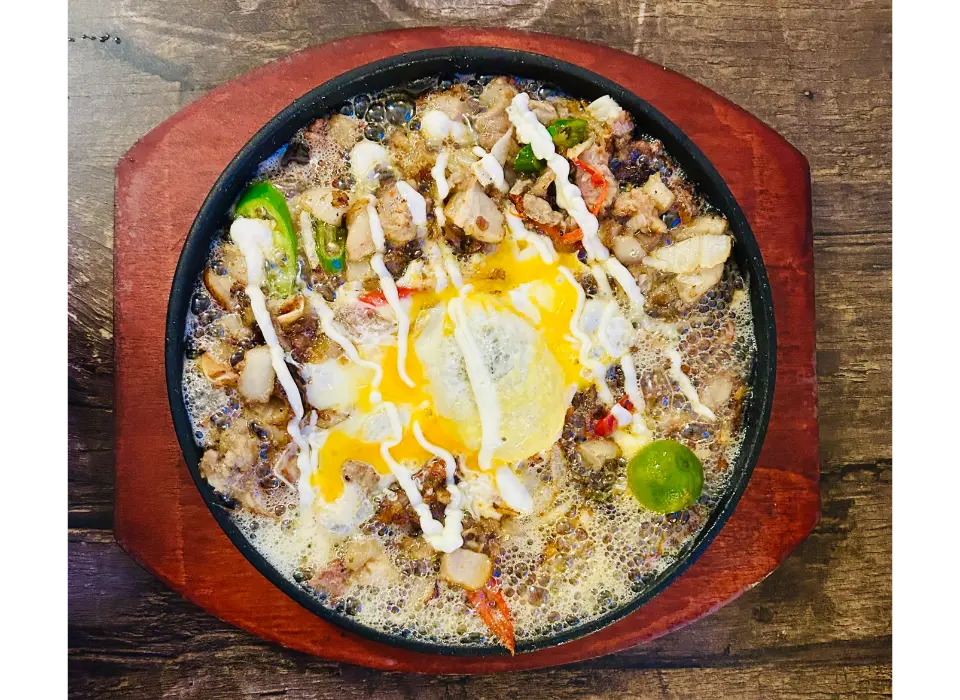
The Sound of Sizzling Glory 🔥
One of the best parts of ordering sizzling pork sisig is the moment it arrives. The waiter approaches carrying a cast-iron plate that sounds like a miniature volcano. Steam rises and the pork crackles loudly.
The smell hits the table before the dish even lands, sometimes causing involuntary coughing due to the chili in that steam.
Someone inevitably shouts: “Quick! Mix the egg!” That’s because the raw egg on top starts cooking instantly from the heat. Stir it through the pork and the dish becomes rich, creamy and glistening.
It’s the kind of moment that makes everyone’s phone appear for photos and vlogs and Instagrammable food moments before the eating begins. 📸
Modern Sisig Variations
As Filipino food continues gaining attention internationally, chefs have begun experimenting with new versions of Sisig, and this includes me. Here are some of the most popular variations you’ll see today.
Bangus Sisig 🐟
Instead of pork, this version uses milkfish, the national fish of the Philippines. It’s lighter but still packed with flavour.
Chicken Sisig 🍗
A slightly healthier option made with chopped grilled chicken.
Tofu Sisig 🌱
Vegetarian restaurants have created plant-based versions using tofu instead of pork. Surprisingly delicious.
Sisig Tacos 🌮
Modern restaurants now serve sisig inside tacos. It’s Filipino-Mexican fusion at its finest—along with the Spanish, Mexico is a big influencer of the food in the Philippines.
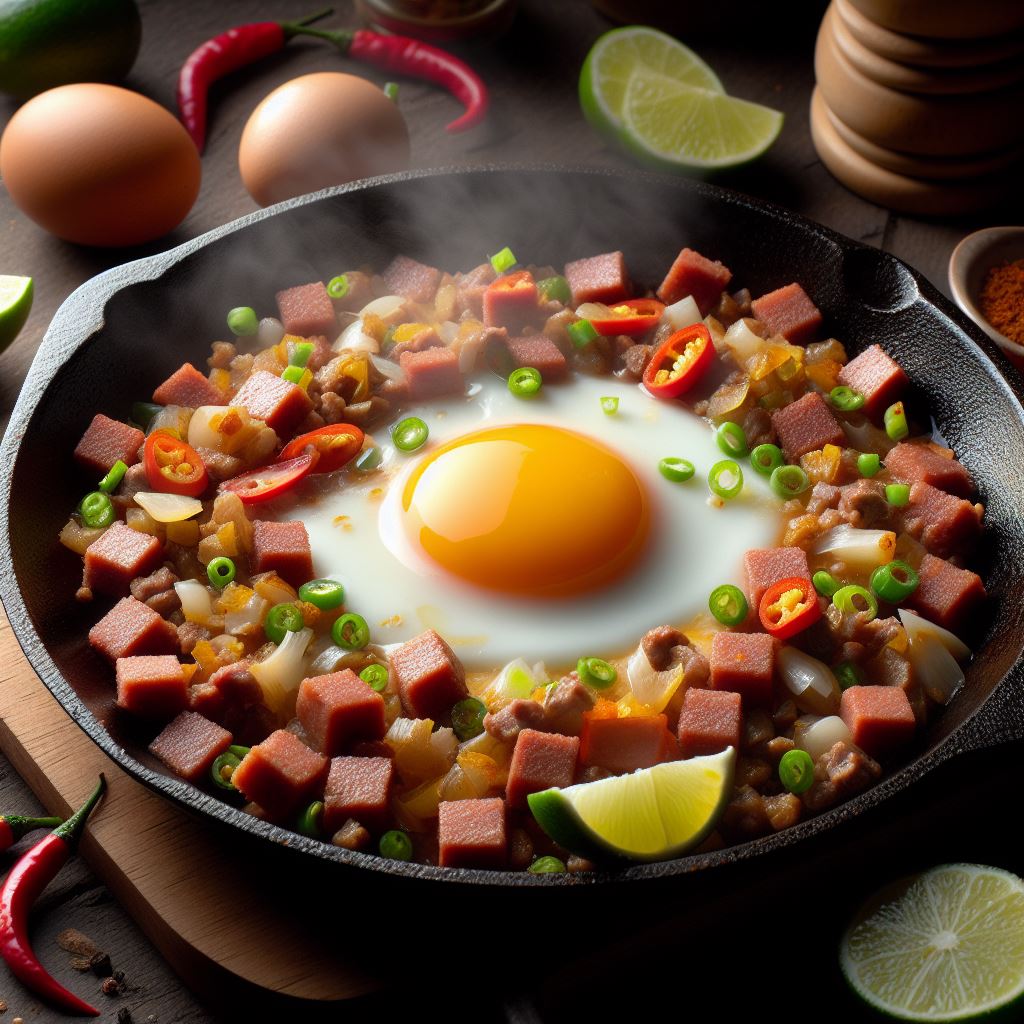
Try our Spam and Corned Beef Sisig Recipe: https://islifearecipe.net/spam-corned-beef-sisig/
How Sisig Is Traditionally Cooked
A proper Filipino sisig recipe involves several steps. First, pork is boiled until tender. Then it’s grilled over charcoal to add smoky flavour. Next, it is chopped finely.
After that, the pork goes onto a hot metal plate with onions, chilli, and seasoning. Calamansi juice is squeezed over the top before serving. Usually, there is a raw egg to stir through, and in some parts of the Philippines, they also add mayonnaise (not my favourite).
The result is a dish with crispy edges, juicy meat, and a lively citrus kick. Simple ingredients, big flavour.
Sisig in Filipino Culture 🇵🇭
Sisig is not only a delicious dish. It’s also part of Filipino culture. In many homes, sisig appears during family celebrations, birthday parties, weekend gatherings, and late-night drinks.
Restaurants across the country compete to serve the best sisig in the Philippines, and every region believes their version is the champion. Some prefer mayonnaise in the dish, while others insist the original recipe should never include it.
This debate has sparked endless friendly arguments across Filipino dining tables, and I just love that. You can literally get a completely different version of this iconic dish on either side of the street.
Where to Eat the Best Sisig
If you want the authentic experience, visit Angeles City in Pampanga. This is widely regarded as the birthplace of the dish. Restaurants there still cook sisig over charcoal using traditional methods.
But excellent versions can be found across the Philippines, from street stalls to high-end restaurants. And frankly, many of them are fantastic. If you get a chance, please come to Panglao, Bohol and try mine at The Kapre RestoBar, she’s gonna be a beauty.

Sisig Goes Global 🌍
Filipino food has been gaining international attention, and sisig has become one of its ambassadors. Restaurants in London, New York, Sydney, and Singapore now serve their own versions.
Chefs love sisig because it offers bold flavours and a strong identity. Diners love it because it’s exciting, comforting, and slightly chaotic in the best way. It’s easy to see why many food writers call sisig one of the greatest Filipino dishes ever created.
How to Eat Sisig Like a Local
There’s a simple technique when enjoying sisig:
1️⃣ Mix everything thoroughly when it arrives
2️⃣ Squeeze extra calamansi if available
3️⃣ Add chilli if you like heat
4️⃣ Scoop onto rice
Yes, rice is essential. Sisig without rice is like fish without water. Eat like this and you’ll get nodding heads of approval from the locals.
The Future of Sisig
Food trends come and go, but sisig seems unstoppable. You now see sisig burgers, pizza, tacos, and rice bowls. Even fine-dining chefs are experimenting with elevated versions.
Yet the classic sizzling plate still wins hearts everywhere. Me, I am a Sisig purist. Toes in sand, cold Pilsen in hand, with an old-Skool Sisig every day of the week – please!!!
Read About 40 Other Unbelievable Filipino Foods Here: https://islifearecipe.net/40-unbelievable-filipino-foods-2023/
Final Thoughts 🍽️
If you have never tried Filipino sisig, it should be at the top of your must-eat list when visiting the Philippines. This sizzling pork dish delivers everything people love about Filipino cooking: bold flavour, communal dining, and joyful chaos around the table.
It’s loud. It’s messy. It’s absolutely delicious. And when that sizzling plate lands in front of you, just remember one thing: You may think you’re ordering it to share. But after the first bite… you might quietly hope everyone else forgets their spoon.
You’ll be hiding the dish behind a menu so it can be just for you. Yes, Sisig envy is a thing. 😏🐷🔥